


Ship anywhere or specific country
Choose whether to ship globally or focus on a specific country.
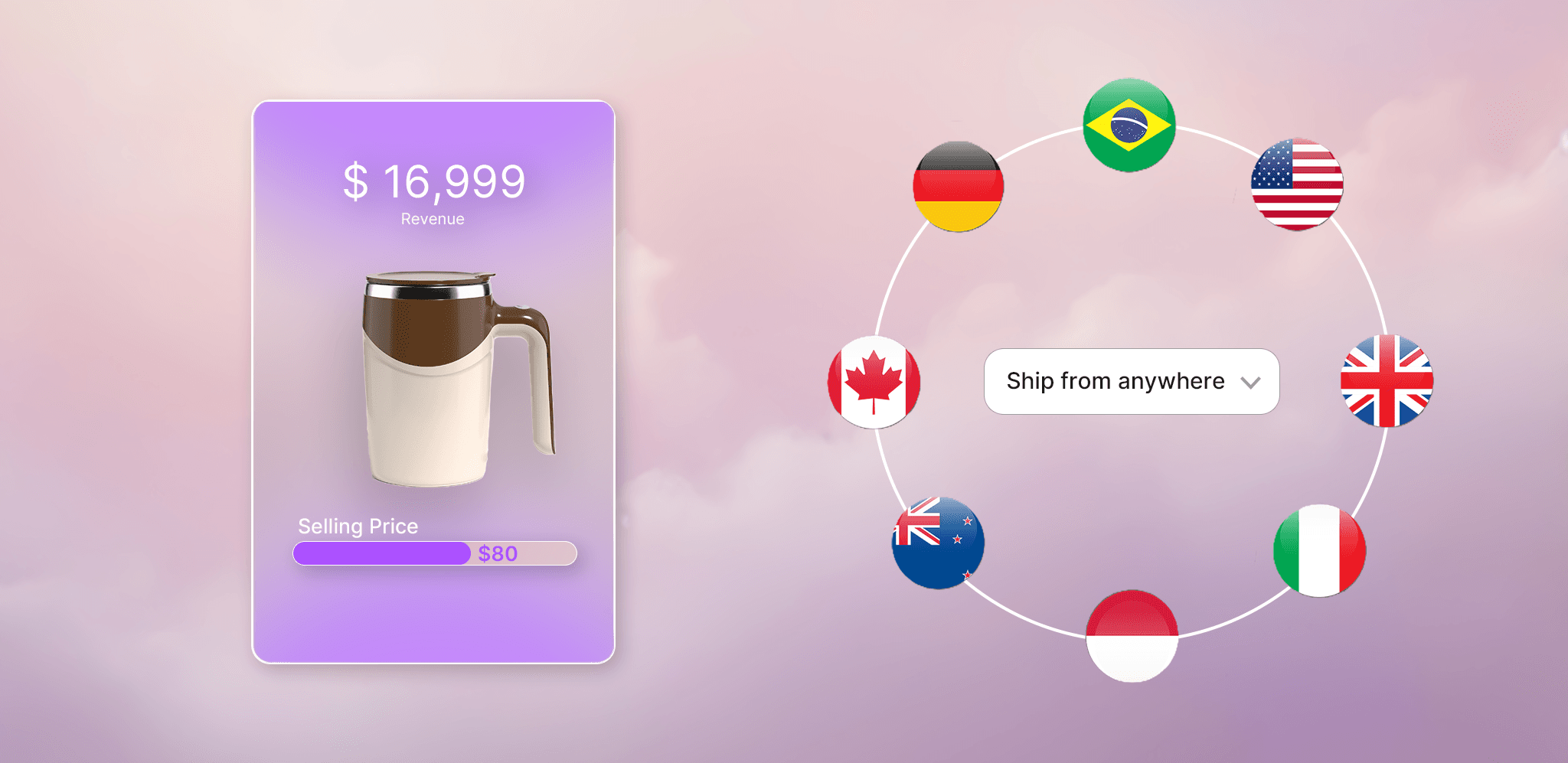
Filter by country, narrow the category, read demand next to saturation, and move only what survives into your store. Here is the order that work happens in.
Find Product helps you evaluate product opportunities by filtering millions of products and validating demand with real metrics.
Choose whether to ship globally or focus on a specific country.
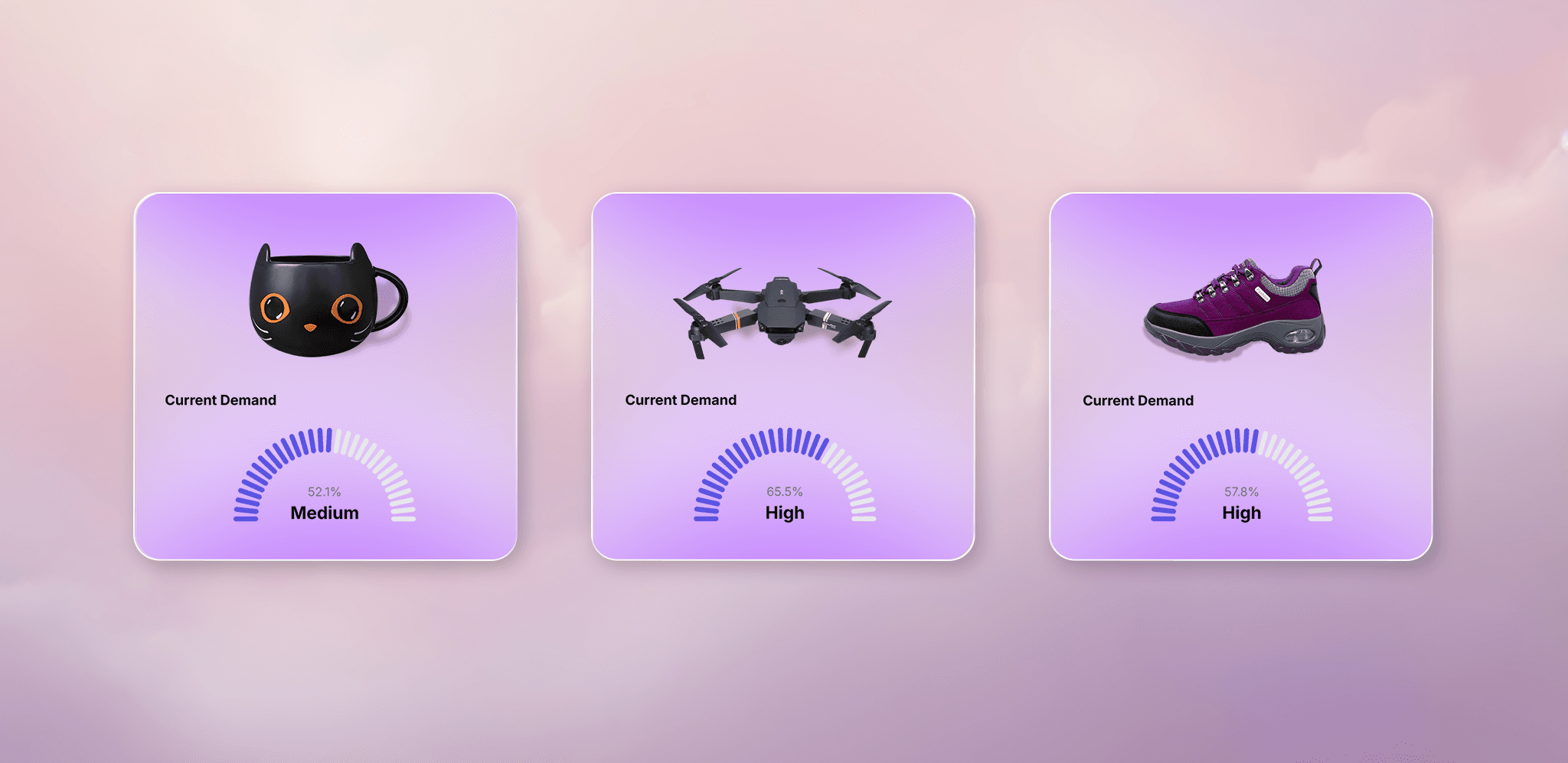
Understand demand across niches and trends before you commit inventory or ad spend.
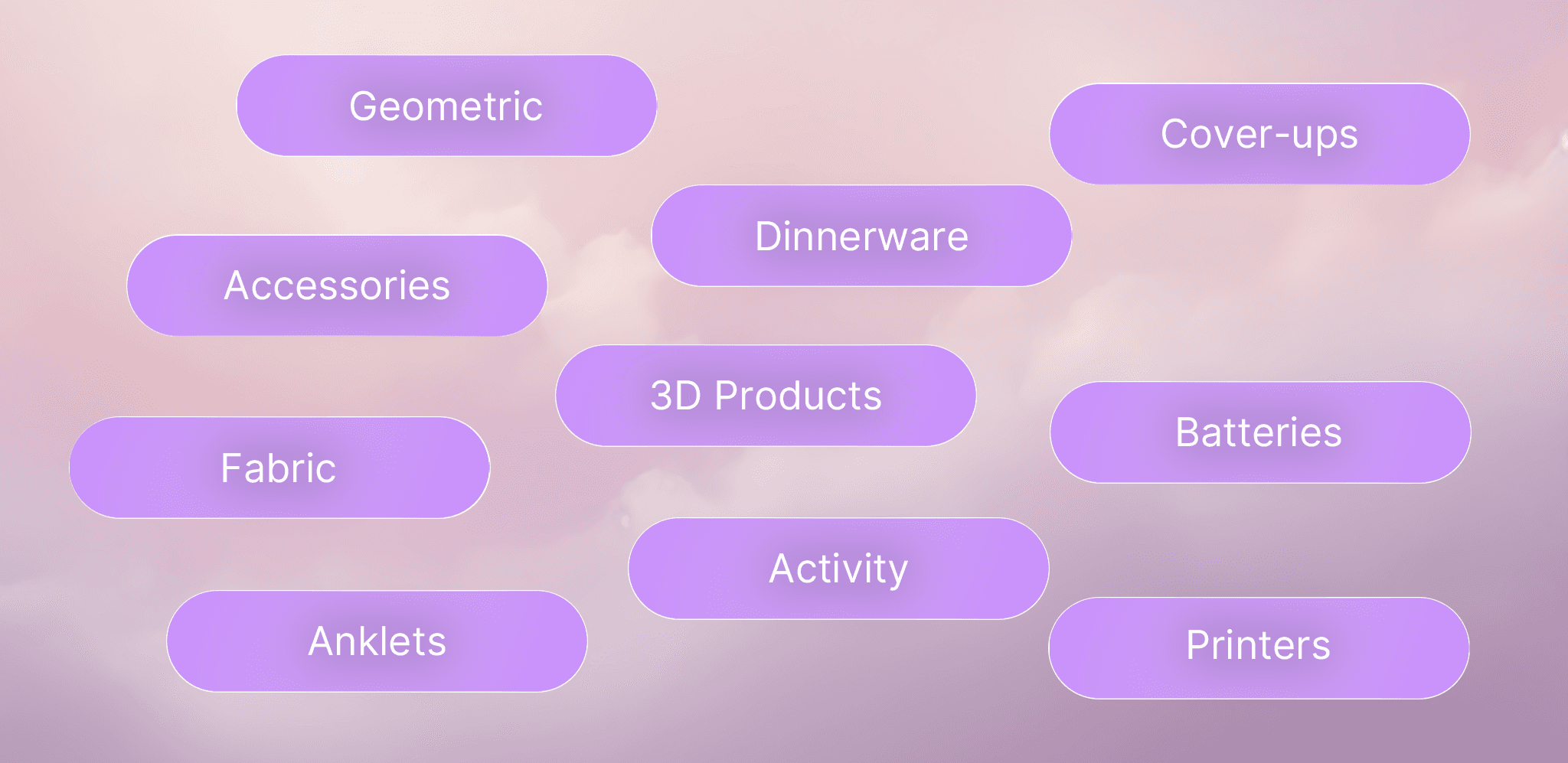
Browse large product categories quickly to spot opportunities that match your store.
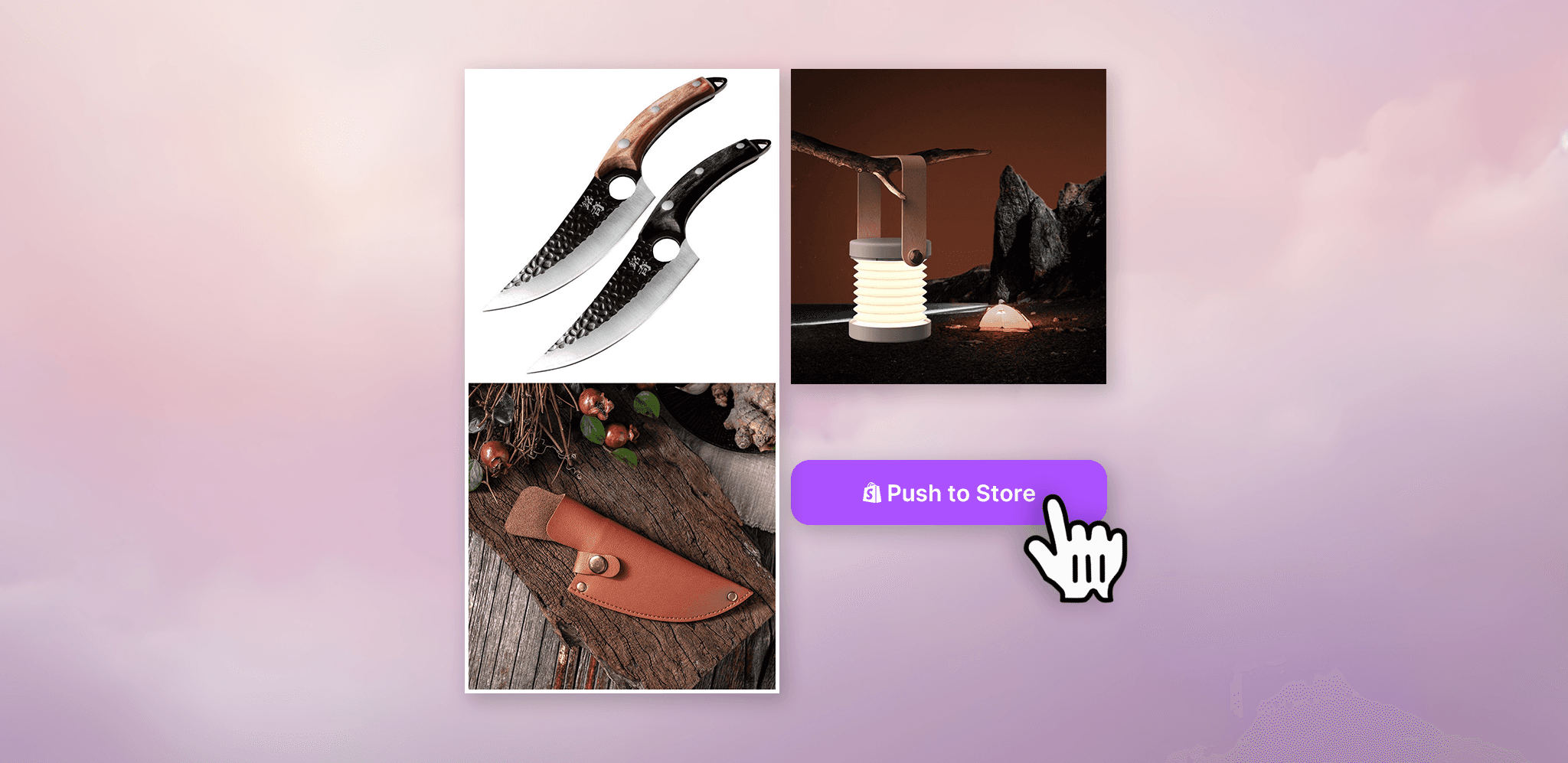
Move selected products into your store with a faster workflow.
The first decision in product research is not which product. It is who you are selling to. A database filtered to one country you can actually ship to and price for behaves differently from the same database left on worldwide, because a large part of what is in it stops being your problem.
The country also changes what the numbers mean. Demand that sits almost entirely in a market you do not serve is not demand you can use, and a category that is crowded in one country can still be wide open in the one next to it.
Then narrow the category, but not as far as you want to. Jumping straight to the niche you already had in mind mostly confirms what you walked in with. One level wider surfaces the neighbors of your idea, and those are usually the ones nobody else in your feed is looking at.
A demand figure on its own is a popularity contest. Read it next to saturation and it turns into a description of a market: how many people want the thing, and how many sellers are already standing in front of them. Taken separately, both numbers mislead you.
High demand with low saturation deserves a second look and an explanation. A gap that obvious usually has one, and it is often a supplier or shipping problem you find in the first few minutes. High demand with high saturation is not a refusal: the market pays, but only for someone arriving with a different angle or a better cost base than the sellers already there.
The reading is off when every product in a category moves the same way at once, because then the category is trending and not your product. It is off again when demand looks strong but the price the market has settled on sits under what you would have to charge. Check that second one before you get attached.
The price a product can carry looks like a question for later and turns out to be the whole decision. It is easier to answer from the other end: start with the most you would pay to win a single order, because that number caps everything after it.
Say that ceiling is $20 and the product plus shipping costs you $16. You then need to sell above $36 before the order carries itself, and that is still before payment fees, refunds and whatever discount you end up offering. Hold that number against the cost of each product and most of the list falls away on its own.
What costs you the most is moving a product into your store because the numbers looked interesting, and deciding the price and the audience afterwards. Do it the other way round: push it once you know what you would charge and who you are talking to. The database makes a shortlist, it does not decide.
Largely yes, because the catalog does not change depending on who opens it. What changes is the filter combination you bring and the market you point it at. Two people working the same category in different countries, each aiming at a different price point, walk away with shortlists that barely overlap. The advantage was never exclusive access to a list, it is the offer you build on top of one.
Pick one country first, even if you intend to sell everywhere later. A worldwide view averages markets that behave nothing alike, and that average describes none of them. Start with the market whose shipping and price level you already understand, build your shortlist there, and widen the filter once a product works. Going the other way usually means checking every number a second time.
Not automatically. Saturation tells you buyers exist and that somebody already found them, which is more information than an empty market gives you. Skip it when you cannot name one thing you would do differently, or when the price the market has settled on leaves you nothing to spend on winning the order. Keep it when your cost base or your angle gives you room the others do not have.
It saves you the manual rebuild, so the product lands in your store instead of being copied across by hand. Everything that decides whether it sells is still yours: the price, the product page, the offer and the creative. Push few products rather than many, because each one is a page you now have to write properly. A store full of untouched imports is the most common way this step goes wrong.
Discover winning products using real market signals, then validate quickly before everyone else catches the trend.


Stay one step ahead of your competition!
Free Tools
Resources
© 2026 Droplink
drop-link.io